For beginners in the field of memory overclocking, tools like Intel® XTU and ASUS AEMP significantly lower the operational barrier, enabling users to fully unlock their memory's performance potential. However, before starting overclocking, it's essential to understand several key concepts:
Memory Timing: Refers to a set of numerical values representing latency between different memory operations, directly impacting data transfer speed between the CPU and memory modules. Lower timing values are better, as they reduce the number of clock cycles required for data to return to the CPU. For example, optimizing timing from CL46-45-45 to CL30-36-36 constitutes an overclocking operation.
Memory Operating Frequency (Speed): Measured in millions of transfers per second (MT/s), this reflects the data transfer rate of memory. Higher frequencies increase the total memory bandwidth available to the processor. For instance, boosting frequency from 5600MT/s to 6000MT/s is another form of overclocking.
Voltage: Raising voltage can enhance memory component performance but increases power consumption. For example, increasing DDR5's standard voltage from 1.1V to 1.35V may enable memory modules to achieve overclocking speeds otherwise unattainable.
What is AEMP?
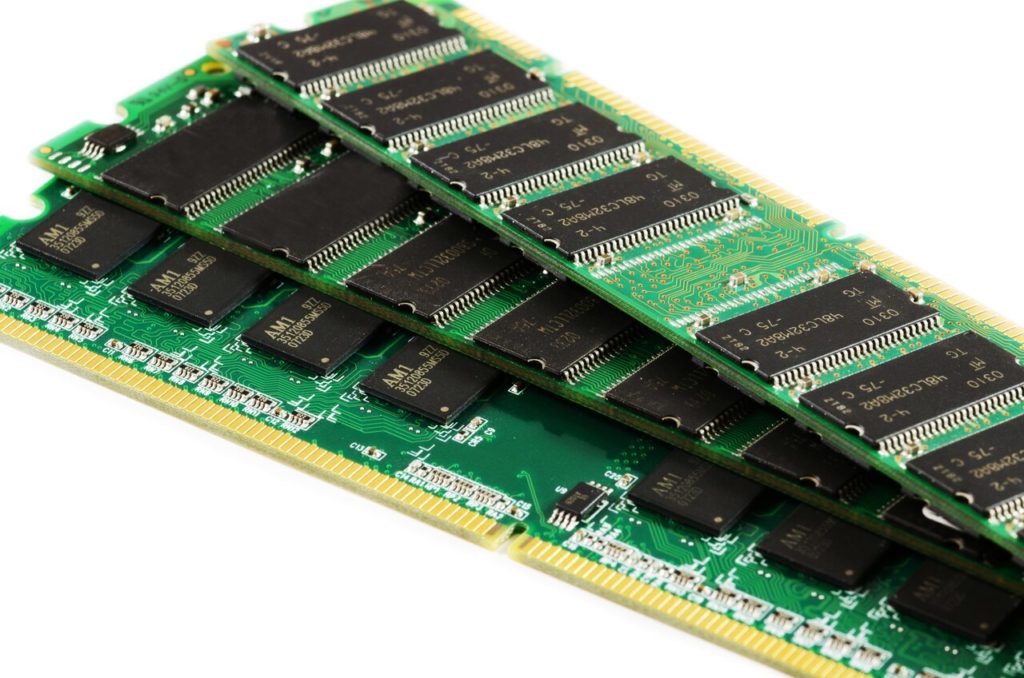
AEMP, short for "ASUS Enhanced Memory Profile," is a BIOS-integrated tool in ASUS motherboards. It analyzes JEDEC-compliant memory modules and automatically generates an overclocking profile to improve memory speed, reduce timing, and adjust voltage.
Before exploring AEMP's specifics, it's important to distinguish between two types of memory modules:
JEDEC Standard Memory Modules: Strictly adhere to industry-standard speed, timing, and voltage specifications. These modules ship without overclocking profiles and are neither tested nor marketed for overclocking.
Overclocking-Optimized Memory Modules: Built on Intel XMP or AMD EXPO technologies, these modules ship with pre-optimized profiles offering speeds exceeding JEDEC standards, lower timing, and higher voltage. They often feature custom PCBs, heatsinks, and screened DRAM components.
AEMP primarily targets JEDEC standard memory modules lacking XMP/EXPO profiles and is available only on select ASUS motherboard models.
AEMP Versions:
AEMP I: Launched with Intel's 600-series chipsets, focusing on reducing memory timing to minimize latency.
AEMP II: Builds on timing optimization by increasing memory frequency to boost bandwidth.
AEMP III: Currently exclusive to Intel 800-series chipsets with DDR5 CUDIMM (Clock-Unbuffered DIMM). This version generates lower-timing, higher-frequency profiles while optimizing the Client Clock Driver (CKD) integrated in DDR5 CUDIMMs, enhancing signal integrity, reducing noise, and minimizing jitter.
Enabling AEMP:
Users can activate AEMP directly in the BIOS's "EZ Mode" or via the "Advanced Mode" under "AI Overclock Tuner." After applying changes, save and exit the BIOS.
Important Considerations:
AEMP-generated profiles may be deemed "unauthorized overclocking" by memory manufacturers, potentially voiding warranties. If instability occurs, users can restore default settings via "Clear CMOS" or by reseating the CMOS battery.
While memory overclocking enhances performance in many scenarios, it carries risks for non-overclocking-optimized modules. DRAM components in standard modules may become unstable when operating beyond JEDEC-specified speeds.