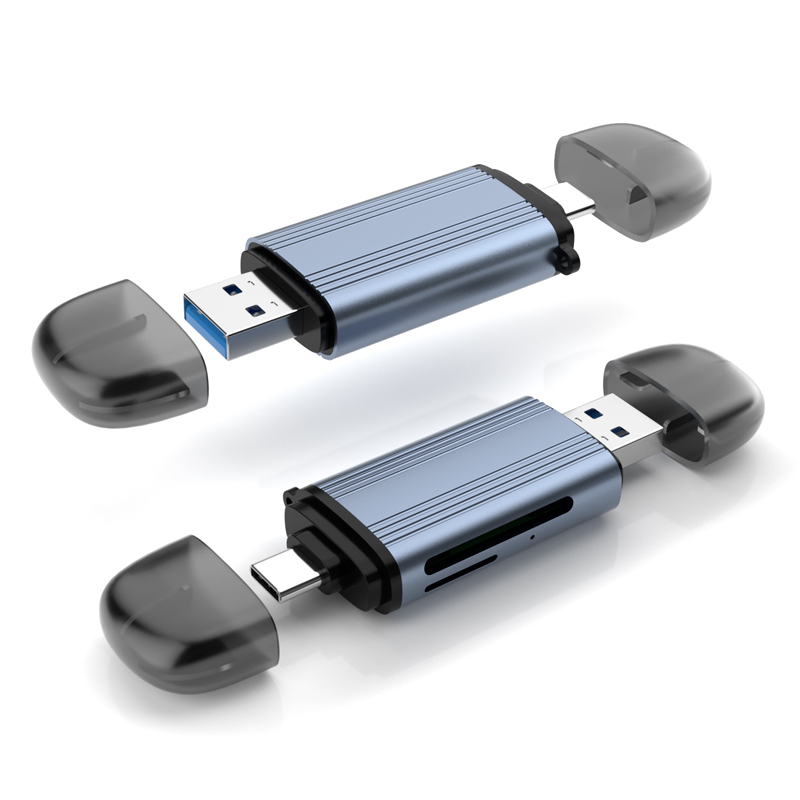
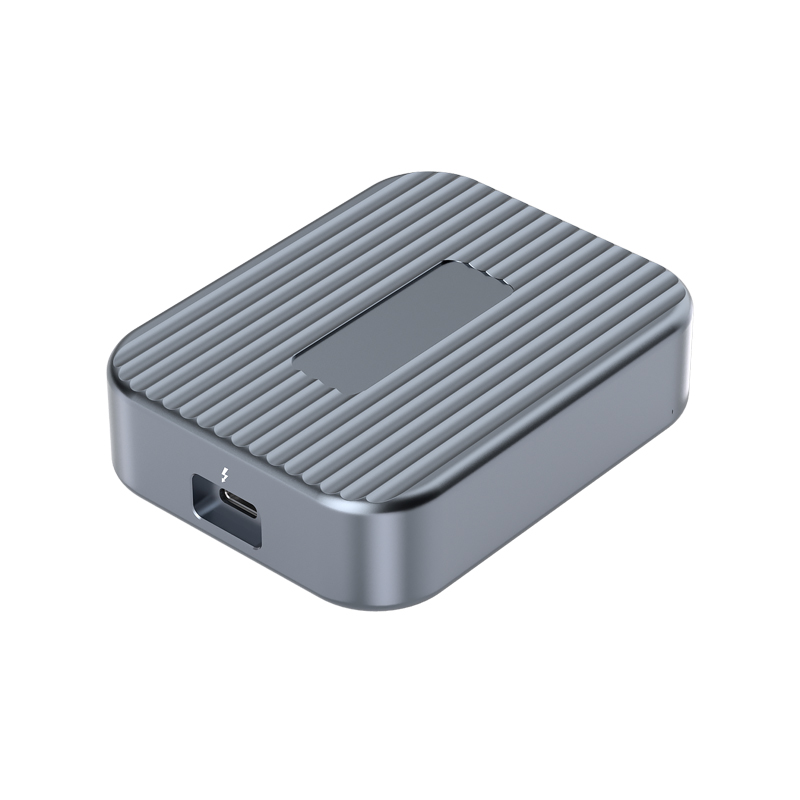
A docking station is a device that allows a laptop to be transformed into a desktop-like setup. It enables you to connect your laptop to monitors, printers, keyboards, mice, storage devices, backup drives, and LAN, among others. By using a docking station, your personal laptop can be turned into a very user-friendly work environment.
Types of Docking Stations
The main types of docking stations include vehicle docking stations and office docking stations, allowing you to choose different options based on your work style.
Functions and Benefits of Docking Stations
Docking stations offer a variety of functions and are valuable tools for professionals, students, and anyone needing to expand device capabilities. These functions include:
Multiple video outputs: Allowing you to connect two or more external displays to the device, making it particularly suitable for graphic designers, video editors, or anyone who needs to use multiple screens simultaneously.
Ethernet port: Enabling the laptop to connect to a wired network for seamless internet connectivity.
USB ports: Most docking stations come with multiple USB 3.0 or USB-C ports, facilitating the transfer of large files or connecting USB-compatible devices like hard drives, cameras, and smartphones.
Charging port: The dock typically includes a charging port that automatically charges the device when connected, eliminating the need for a separate charger or cable, providing a tidy workspace.
Purpose of Using a Docking Station
The primary purpose of using a docking station is to bridge the significant gap between desktop and laptop usage, allowing the laptop to be used in a powerful connected mode. As laptops become lighter and thinner, docking stations have become the solution for connecting multiple devices as peripherals to a laptop. For remote workers or employees working from home, docking stations help maintain the portability of laptops while providing the ability to connect to monitors, LAN, the internet, printers, external speakers, and more.
Types of Docking Stations: USB-C vs. Thunderbolt 3
USB-C: A universal standard widely adopted across various industries. It is a small reversible connector that can transmit multiple types of signals, including data, power, and display signals. It supports unique features like USB-C PD (Power Delivery).
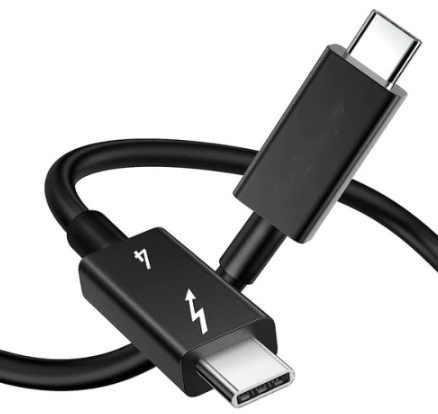
Thunderbolt 3: A proprietary standard developed by Intel, based on the USB-C connector but with higher data transfer speeds and support for more features. It can transfer data at speeds of up to 40 Gbps, making it an ideal choice for advanced users. However, it requires specific hardware components to be built into the device, resulting in a more limited range of compatible devices.
How to Choose the Right Docking Station for You
When selecting a docking station, consider the following factors:
Compatibility: Ensure the docking station is compatible with your device, including the operating system and device type.
Connectivity: Consider what ports and connections you need, such as USB ports, Ethernet, HDMI, and VGA.
Power Delivery: If you plan to use the docking station to charge your device, confirm that it has Power Delivery (PD) capabilities.
Size: Consider the footprint of the docking station based on your workspace size.
Brand and Price: Research various brands and read reviews to determine the reliability and quality of the product. Price does not always reflect all features and quality, so choose a docking station that meets your needs.
If you're in the market for a high-quality docking station, look no further than the Purplelec DS018R usb-c docking station. This 13-in-1 device packs a serious punch, offering a list of features that are sure to impress even the most tech-savvy users.
Is highly compatible with a wide range of devices. Whether you're running Windows 8, 10, or 11, or using macOS 10.12 or later, this docking station has you covered. Equipped with an impressive array of ports, including an 85W laptop-charging USB-C port, 2 thunderbolt USB-C port, a USB-C data port, 5 USB-A ports, 1 HDMI ports, an Ethernet port, SD/microSD card slots, a 3.5 mm AUX port, and a DC input, this docking station can meet all your connectivity needs.
Conclusion
A laptop docking station is a convenient and multifunctional tool that provides a simple and organized way to quickly switch devices by connecting to monitors, keyboards, mice, and other peripherals. Whether using USB-C or Thunderbolt 3 ports, you can easily find an option that suits your needs. Investing in a laptop docking station can make multitasking easier while saving time and effort by utilizing the computer's ability to connect different devices.