The Raspberry Pi computer, a popular product meticulously developed by a British charity foundation, has sparked a technological craze worldwide since its launch. The original intention of this charity foundation was to ignite a strong interest in computer technology among teenagers and help them acquire programming skills and delve deeper into computer science knowledge. Since 2011, the Raspberry Pi Foundation has been continuously working hard, constantly launching low-cost, high-performance single-board computers and providing them along with free software to users. Today, the applications of the Raspberry Pi are extremely diverse. Many tech enthusiasts use it to replace traditional PCs, assemble retro game consoles, and even control robots, demonstrating boundless creativity.
However, regardless of the significant importance of Raspberry Pi computers in the field of education, or the great help they can provide in practical applications, there is a clear "weakness" with it - it does not have the internal memory that most conventional computers have. Nevertheless, the designers ingeniously equipped it with SD or microSD card slots, successfully solving the storage problem. The early Raspberry Pi A and B models supported SD cards, and by 2014, the B+ model began to adopt the more compact and convenient microSD card.
In terms of storage card capacity, the Raspberry Pi has specific requirements. The mini-mum capacity needed is between 8GB and 32GB, with 32GB being the maximum capacity that the Raspberry Pi officially supports by default. Of course, higher capacity storage cards can also be used on the Raspberry Pi after formatting. If you plan to install the official Raspbian operating system recommended by the Raspberry Pi Foundation, at least an 8GB microSD card is required; while for the Raspbian Lite system, a 4GB microSD card is sufficient. It's worth noting that the Raspberry Pi is not limited to running the Raspbian system; it also supports various different operating systems, such as various Linux distributions can run smoothly on it.
When we are choosing the most suitable SD card or microSD card for the Raspberry Pi among numerous options, there are several key points to keep in mind. Since the operating system needs to be run on the storage card, it requires the card to have high durability and be able to withstand a large number of read/write cycles. Additionally, selecting a Class 10 UHS-I card with a transfer speed of 95MB/second is a good choice, as it enables us to store and transfer files more conveniently and quickly, thereby enhancing the user experience.
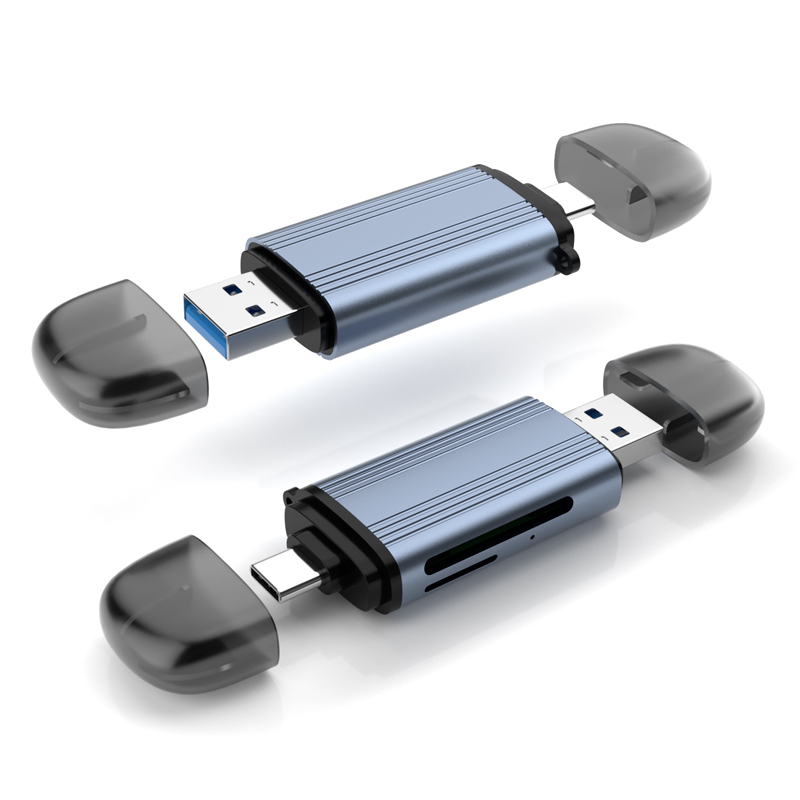
Apart from memory cards, USB flash drives are also a valuable tool in the storage solutions for Raspberry Pi. Most Raspberry Pi computers are equipped with multiple USB interfaces, which provides convenience for the use of USB flash drives. USB flash drives are small in size and easy to carry around. We can store important data such as personal photos, music, videos, and documents in them, and access them conveniently at any time. However, it should be noted that the USB interfaces of most Raspberry Pi models are limited to USB 2.0 speed. Even if a USB 3.0 device is inserted, the transmission speed will be limited to the level of USB 2.0. However, starting from June 2019, Raspberry Pi 4 B was upgraded, equipped with 2 USB 3.0 interfaces, significantly improving the data transmission speed and enhancing the overall performance.
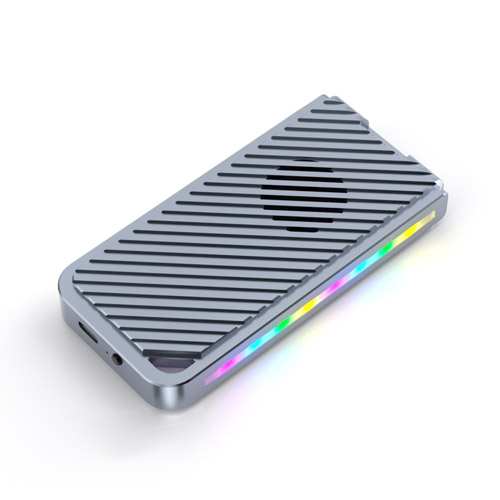
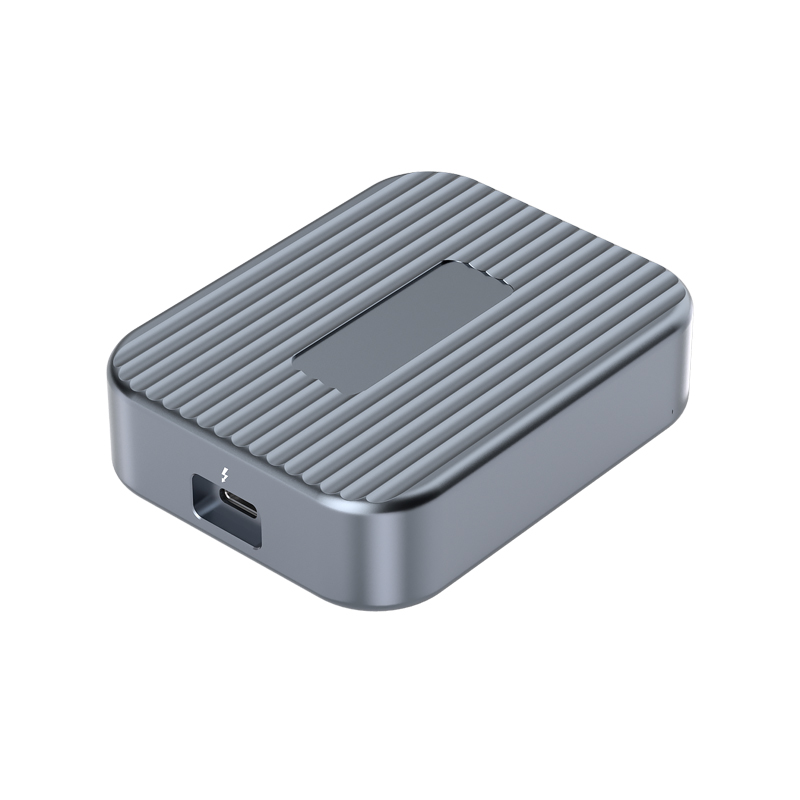
With the addition of the USB 3.0 interface, using an external hard drive enclosure has become a more attractive storage option. We can insert the hard drive into the hard drive enclosure and connect it to the Raspberry Pi, thereby obtaining a larger storage capacity. However, there is an important reminder here: make sure the hard drive has an independent external power supply. Because the Raspberry Pi's own power supply is limited and cannot provide sufficient power support for the external hard drive; otherwise, it may cause the hard drive to fail to work properly.
From the perspective of storage characteristics, USB flash drives have many similarities with SD cards and microSD cards. They all provide flexible storage capacity options for Raspberry Pi and can meet the needs of most usage scenarios in terms of read and write speeds. With these diverse storage options, we no longer have to worry about insufficient storage space for Raspberry Pi projects. We can fully unleash our creativity and carry out various interesting projects.