I. Introduction
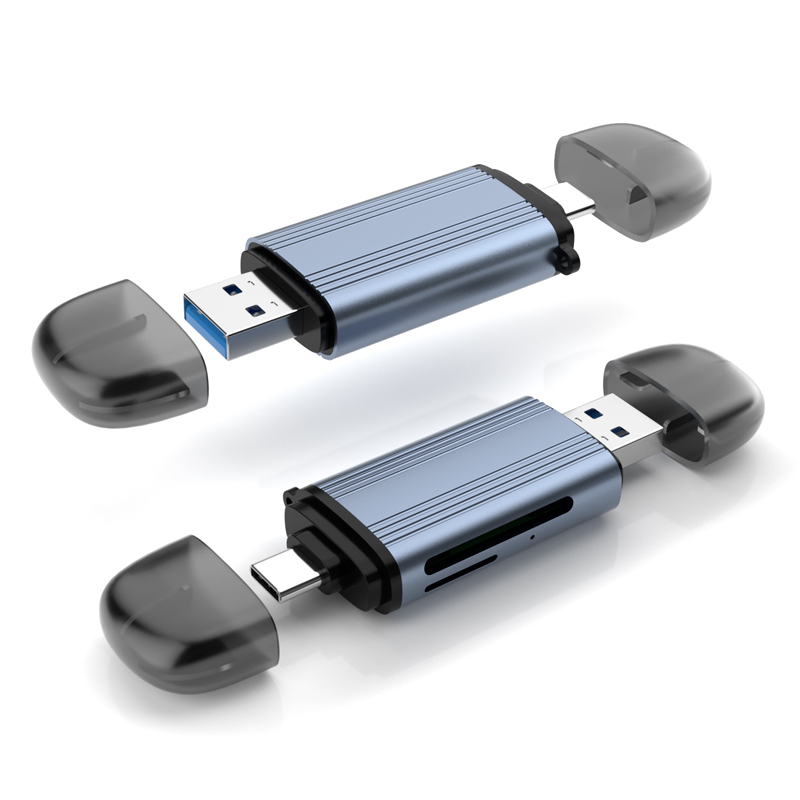
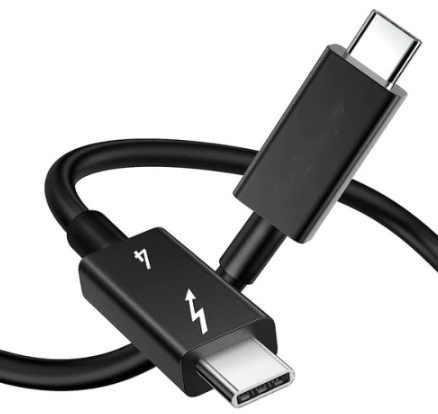
A USB-C to HDMI “little converter” works like a small bridge that sends your device’s screen to a bigger display. As long as your laptop, tablet, or game console has a USB-C port, you can pass the video signal straight to a TV, monitor, or projector.
When buying this kind of connector, you should still check which HDMI version your display supports and whether you need an active adapter (with a built-in chip) or a passive one.
Since this connector supports both USB-C and HDMI standards, it can push your device’s content onto a larger screen with high-quality visuals. Many people also use it as a handy tool for meetings or dual-display setups. It’s compact, easy to carry, and works with many devices—laptops, tablets, consoles, and even smartphones.
II. Full Troubleshooting Process
If your USB-C to HDMI connector shows black screen, no signal, or flickering, follow the steps below one by one.
1. Check whether the connections are secure
First confirm both ends—USB-C and HDMI—are firmly plugged in.
Sometimes a USB-C port behaves like a “loose wall socket” at home: it looks plugged in but doesn’t actually make contact, so the device won’t respond.
You can try:
Re-seat the USB-C plug
Switch to another USB-C port (some only support charging, not video)
If it works after changing ports, the original one may simply be unresponsive. If not, move to the next step.
2. Determine whether it’s a compatibility issue
Sometimes it’s not broken—just “not a good match.”
Possible causes:
- Your display’s HDMI version doesn’t support the video format you’re sending
- Your computer’s USB-C port doesn’t support DP Alt Mode (video output)
- The adapter may be incompatible with certain TV models
Try:
(1). Use another USB port on the computer (preferably USB 3.0)
(2). Try a different HDMI port on the TV
(3). If none of these work, the adapter likely has compatibility limitations and should be replaced
3. Check system settings and drivers
Most problems come from the system not cooperating—not hardware failure.
Ensure:
Your OS version supports the adapter you purchased
Your drivers are up to date
You can:
(1). Download the latest driver from the manufacturer’s website
(2). Restart your computer after installation (unplug the adapter before rebooting)
(3). Reconnect and test again
Tools like Driver Easy can also help automatically install matching drivers.
4. Adjust the display settings
Even if the adapter itself works, mismatched resolution may still cause “no display.”
Check:
Whether the display is set to automatically detect HDMI input
Whether the resolution matches what the display supports
For example:
If your TV only supports 720p, 1080p, or 4K, adjust your output resolution accordingly.
After connecting, you can choose:
Duplicate display
Extend display
Second screen only (projection mode)
In extended mode, most high-resolution content should display normally.
5. Check whether the hardware is damaged
Hardware issues may include:
- A faulty adapter
- Worn USB-C or HDMI ports
- Loose connectors (like an old power strip where the plug keeps falling out)
- Dust or debris inside the ports
You can test by:
Connecting the adapter to another device
Trying another HDMI cable or another display
Testing with another USB-C to HDMI adapter
If nothing works in any scenario, the adapter is likely defective and needs replacement.
If you suspect loose or dirty ports:
- Clean the port gently and reinsert firmly
- If the port is bent or visibly damaged, professional repair is required
6. Use other devices for further confirmation
If you have another laptop, tablet, or phone that supports video output, cross-test:
- Change the display
- Change the USB port
- Change the HDMI cable
- Change the adapter
This elimination process quickly identifies whether the issue is from the device, cables, or the adapter itself.
7. Contact the manufacturer or technical support
If all previous steps fail, reach out to the seller or manufacturer. They can provide firmware, warranty service, or model-specific troubleshooting.
III. Tips to Prevent Future Problems
To make your USB-C to HDMI adapter last longer and avoid repeating the same issues, keep these habits:
Confirm compatibility before buying
Avoid bending or pulling cables forcefully
Use higher-quality cables and adapters
Update drivers and OS regularly
Keep ports clean
Avoid moisture and high temperatures
Unplug and plug gently to avoid damage
These habits reduce chances of loose contacts, port wear, or overheating, extending the life of your adapter.
IIII. Conclusion
By following these steps, you can solve most USB-C to HDMI issues and pinpoint the exact cause.
With proper setup and maintenance, your USB-C device can deliver stable video output to any HDMI display—making work, movies, and presentations run smoothly.